

SUSTAINABILITY
Engineering Responsibility into Industrial Infrastructure
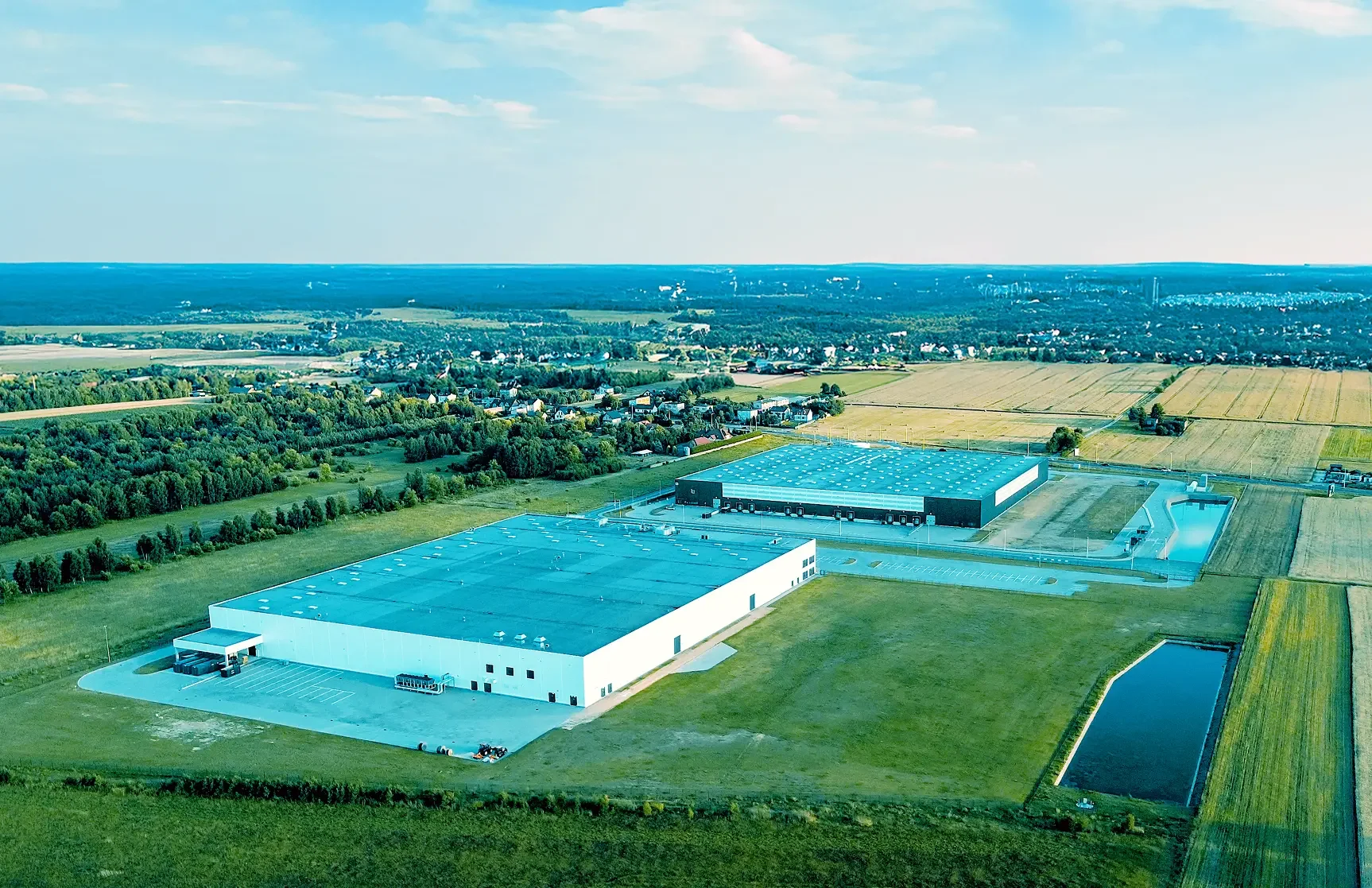
At Casagrand Industrial & Warehousing, sustainability is embedded into land evaluation, master planning and infrastructure engineering through an ESG-led approach where land, layout and utility systems are planned as one ecosystem. Environmental responsibility is approached as an operational consideration that supports long-term asset performance, regulatory compliance and industrial continuity.
OUR SUSTAINABILITY FRAMEWORK

Design-Stage Integration
Sustainability considerations are incorporated from the earliest stages of land evaluation, infrastructure planning and industrial master planning to support long-term operational efficiency and environmental resilience.
- Optimised terrain usage and circulation planning
- Natural drainage grading and stormwater integration
- Green buffer zones across industrial developments
- Planning frameworks designed to reduce long-term environmental risk
Energy Efficiency
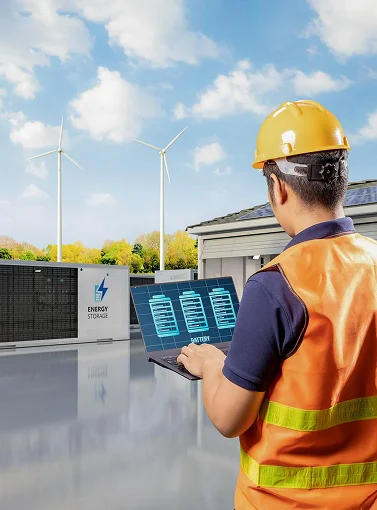
Industrial infrastructure is designed to support responsible energy usage, operational efficiency and future-ready utility integration across logistics and manufacturing environments.
- Solar-ready roof infrastructure
- Smart lighting systems supporting up to 70% energy savings
- Efficient cooling strategies supporting up to 30% lower cooling demand
- Provision for smart metering and utility optimisation
Water Management
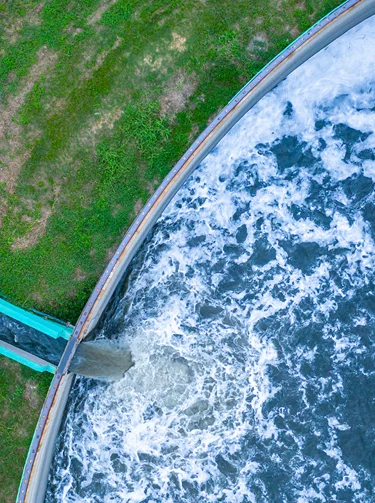
Water conservation and continuity are incorporated into infrastructure planning to support industrial resilience, operational reliability and responsible long-term resource usage.
- Flood risk assessment during land evaluation
- Integrated stormwater drainage systems
- Rainwater harvesting and water storage planning
- Water optimisation frameworks supporting up to 40% lower consumption
Infrastructure Durability
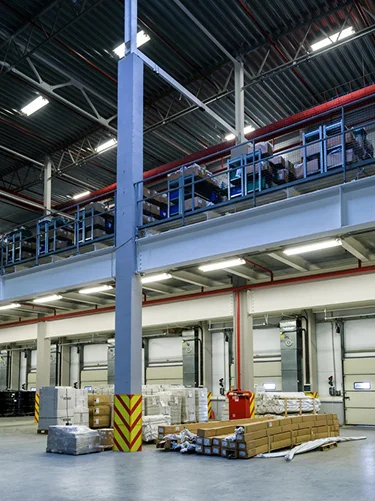
Sustainable industrial development extends beyond energy systems to include long-term infrastructure durability, lifecycle efficiency and future operational adaptability.
- Heavy-duty structural systems and long-life materials
- Integrated utility and infrastructure planning
- Reduced future rework through disciplined master planning
- Flexible infrastructure designed for evolving industrial operations

Circular Systems
Industrial ecosystems are planned to support resource efficiency, operational flexibility and scalable sustainability integration across manufacturing and warehousing environments.
- Infrastructure designed to support evolving sustainability systems
- Waste reduction and energy optimisation support
- Flexible infrastructure for changing industrial requirements
- Long-term scalability across manufacturing and warehousing operations
Design-Stage Integration
Sustainability considerations are incorporated from the earliest stages of land evaluation, infrastructure planning and industrial master planning to support long-term operational efficiency and environmental resilience.
- Optimised terrain usage and circulation planning
- Natural drainage grading and stormwater integration
- Green buffer zones across industrial developments
- Planning frameworks designed to reduce long-term environmental risk
Energy Efficiency
Industrial infrastructure is designed to support responsible energy usage, operational efficiency and future-ready utility integration across logistics and manufacturing environments.
- Solar-ready roof infrastructure
- Smart lighting systems supporting up to 70% energy savings
- Efficient cooling strategies supporting up to 30% lower cooling demand
- Provision for smart metering and utility optimisation
Water Management
Water conservation and continuity are incorporated into infrastructure planning to support industrial resilience, operational reliability and responsible long-term resource usage.
- Flood risk assessment during land evaluation
- Integrated stormwater drainage systems
- Rainwater harvesting and water storage planning
- Water optimisation frameworks supporting up to 40% lower consumption
Infrastructure Durability
Sustainable industrial development extends beyond energy systems to include long-term infrastructure durability, lifecycle efficiency and future operational adaptability.
- Heavy-duty structural systems and long-life materials
- Integrated utility and infrastructure planning
- Reduced future rework through disciplined master planning
- Flexible infrastructure designed for evolving industrial operations
Circular Systems
Industrial ecosystems are planned to support resource efficiency, operational flexibility and scalable sustainability integration across manufacturing and warehousing environments.
- Infrastructure designed to support evolving sustainability systems
- Waste reduction and energy optimisation support
- Flexible infrastructure for changing industrial requirements
- Long-term scalability across manufacturing and warehousing operations
Design-Stage Integration
Sustainability considerations are incorporated from the earliest stages of land evaluation, infrastructure planning and industrial master planning to support long-term operational efficiency and environmental resilience.
- Optimised terrain usage and circulation planning
- Natural drainage grading and stormwater integration
- Green buffer zones across industrial developments
- Planning frameworks designed to reduce long-term environmental risk
Energy Efficiency
Industrial infrastructure is designed to support responsible energy usage, operational efficiency and future-ready utility integration across logistics and manufacturing environments.
- Solar-ready roof infrastructure
- Smart lighting systems supporting up to 70% energy savings
- Efficient cooling strategies supporting up to 30% lower cooling demand
- Provision for smart metering and utility optimisation
Water Management
Water conservation and continuity are incorporated into infrastructure planning to support industrial resilience, operational reliability and responsible long-term resource usage.
- Flood risk assessment during land evaluation
- Integrated stormwater drainage systems
- Rainwater harvesting and water storage planning
- Water optimisation frameworks supporting up to 40% lower consumption
Infrastructure Durability
Sustainable industrial development extends beyond energy systems to include long-term infrastructure durability, lifecycle efficiency and future operational adaptability.
- Heavy-duty structural systems and long-life materials
- Integrated utility and infrastructure planning
- Reduced future rework through disciplined master planning
- Flexible infrastructure designed for evolving industrial operations
Circular Systems
Industrial ecosystems are planned to support resource efficiency, operational flexibility and scalable sustainability integration across manufacturing and warehousing environments.
- Infrastructure designed to support evolving sustainability systems
- Waste reduction and energy optimisation support
- Flexible infrastructure for changing industrial requirements
- Long-term scalability across manufacturing and warehousing operations
MEASURABLEIMPACT
Energy Efficiency
20–30%
Lower overall energy use across infrastructure systems
Solar Readiness
10–15%
Potential savings through solar-ready infrastructure integration
Water Optimisation
Up to 40%
Reduction in planned water consumption through optimisation systems
Smart Lighting
Up to 70%
Energy savings through smart lighting systems
Cooling Demand
Up to 30%
Lower cooling energy demand through efficient planning strategies
OVERALL EFFICIENCY
Around 25–35%
Estimated reduction in overall energy and utility consumption through integrated sustainability systems.
Long-Term Development Commitment
As a long-term developer, Casagrand Industrial & Warehousing approaches sustainability as an ongoing responsibility embedded within infrastructure planning, design and operations. Industrial growth and environmental accountability are treated as complementary objectives across every development.
